English
Cocoa processed with alkali—also known as Dutch-processed cocoa—is widely used in baking, beverages, and industrial chocolate production. But with increasing attention to food processing and health, many consumers and buyers are asking: Is cocoa processed with alkali bad for you?
Skyswan, renowned for its diverse range of cocoa products, stands out in the culinary industry, particularly for its alkalized cocoa powder. Beyond its culinary appeal, there's growing interest in alkalized cocoa powder health aspects. This guide answers that question in depth while covering its meaning, benefits, uses, safety during pregnancy, and key differences from natural cocoa.
Alkalized Cocoa Powder Meaning: Alkalized cocoa powder is cocoa that has been treated with an alkaline solution to reduce acidity, enhance color, and improve solubility.
This process—called “Dutch processing”—neutralizes the natural acidity of cocoa (pH ~5.2) and raises it closer to neutral or slightly alkaline (pH 6.8–8.1).
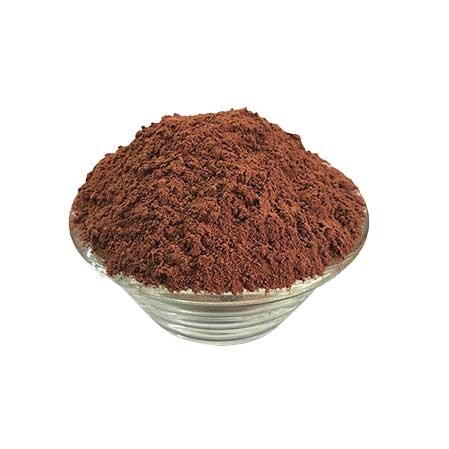
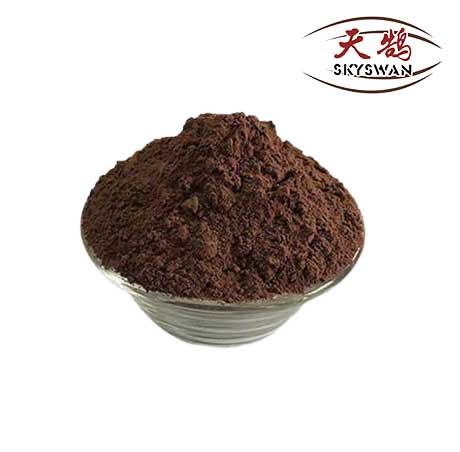
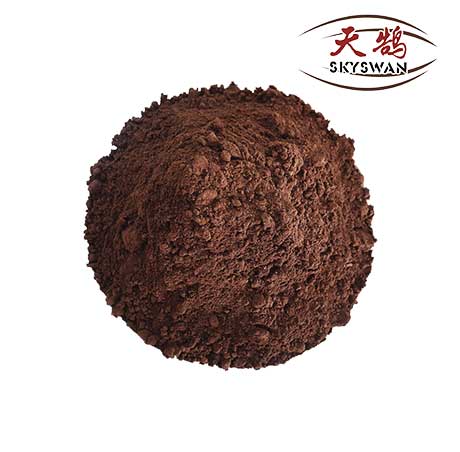
Darker color (especially black alkalized cocoa powder)
Milder, less bitter taste
Improved mixability in liquids
Reduced natural flavonoids
Alkalized cocoa powder benefits include improved taste, functionality, and industrial performance.
While some nutrients are reduced during processing, alkalized cocoa still offers several advantages:
Better solubility: Dissolves easily in milk and water
Consistent flavor: Ideal for large-scale production
Color control: Enables darker chocolate products
Widely used by alkalized cocoa powder manufacturers for:
Chocolate drinks
Ice cream
Bakery goods
Contains magnesium, iron, and small amounts of antioxidants
However, flavonoid content can drop by up to 60–90% compared to natural cocoa
For businesses sourcing cocoa, consistency and performance often outweigh the reduced antioxidant levels.
Alkalized cocoa powder is commonly used in food manufacturing, baking, and beverage production due to its smooth taste and stability.
Chocolate milk and instant drinks
Cakes, brownies, and cookies
Ice cream and desserts
Protein powders and supplements
Many global brands rely on trusted alkalized cocoa powder manufacturers like Skyswan for:
Customized alkalization levels
Bulk supply consistency
Premium-grade cocoa solutions
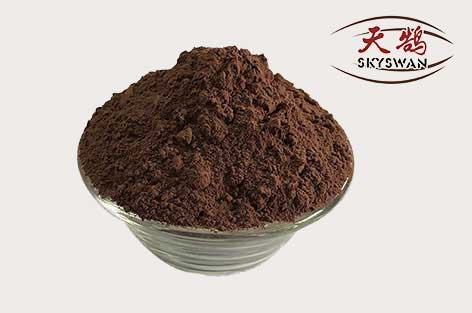
The difference between natural and alkalized cocoa powder lies in processing, acidity, flavor, and nutritional content.
Feature | Natural Cocoa Powder | Alkalized Cocoa Powder |
|---|---|---|
| Processing | Unprocessed | Treated with alkali |
| pH Level | Acidic (5–6) | Neutral/Alkaline (6.8–8) |
| Flavor | Bitter, sharp | Smooth, mild |
| Color | Light brown | Dark brown to black |
| Antioxidants | High | Reduced |
| Best Use | Baking with baking soda | Beverages, desserts |
For health-focused consumers, natural cocoa may be preferable.
For taste and aesthetics, alkalized cocoa often wins.
Cocoa processed with alkali is generally safe during pregnancy when consumed in moderation.
Contains caffeine (~12 mg per tablespoon)
Excess intake may affect sleep or heart rate
No evidence suggests alkalized cocoa is harmful specifically due to processing
Limit intake to 1–2 servings per day
Consult a healthcare provider if unsure
Cocoa processed with alkali is not inherently bad for you, but its health value depends on consumption levels and nutritional priorities.
Safe for regular consumption
Less beneficial than natural cocoa in terms of antioxidants
Ideal for taste, not maximum health benefits
The debate is not about safety—but nutritional optimization vs sensory quality.
Alkalized cocoa is generally easier on the stomach than natural cocoa due to its lower acidity.
Benefits:
Reduced risk of acid reflux
Gentler digestion for sensitive individuals
However:
Overconsumption may still cause discomfort due to caffeine
Cocoa processed with alkali side effects are minimal but may include mild reactions in sensitive individuals.
Possible Side Effects:
Reduced antioxidant intake
Mild caffeine-related effects (insomnia, jitteriness)
Rare digestive sensitivity
No major health risks have been confirmed by scientific consensus.
Cocoa processed with alkali is not bad for you—it is a safe, widely used ingredient that prioritizes flavor, color, and usability over maximum nutritional value.
For consumers:
Choose natural cocoa for health benefits
Choose alkalized cocoa for taste and versatility
For businesses:
Partnering with reliable alkalized cocoa powder manufacturers like Skyswan Cocoa ensures consistent quality and performance.
Ultimately, the best choice depends on your goals—health optimization or product excellence.
1. What does it mean if cocoa powder is alkalized?
Alkalized cocoa powder, also known as Dutch-processed cocoa, is treated with an alkaline solution to neutralize its natural acidity. This process results in a darker color, smoother flavor, and improved solubility, making it easier to blend into recipes. Compared in non alkalized cocoa powder vs alkalized, the alkalized version is milder and less bitter. It is widely used in baking, beverages, and chocolate applications where a balanced taste is preferred.
2. Is alkalized cocoa powder good?
Yes, alkalized cocoa powder is considered high quality for many culinary uses due to its smooth flavor profile and consistent performance. It dissolves more easily in liquids and delivers a rich, mellow chocolate taste without sharp acidity. Many professionals prefer alkalized cocoa for premium products, including red alkalized cocoa powder, which offers enhanced color and visual appeal. Its versatility makes it ideal for both industrial and home use.
3. Which is better, alkalized or non-alkalized cacao?
Neither is universally “better”—the choice depends on your application. In non alkalized cocoa powder vs alkalized, natural cocoa retains more acidity and antioxidants, making it suitable for recipes using baking soda and for a more intense chocolate flavor. Alkalized cocoa, on the other hand, provides smoother taste and darker color, often preferred in desserts and beverages. Selecting the right type ensures optimal flavor, texture, and chemical reaction in recipes.
4. What is the difference between red alkalized cocoa powder and regular cocoa powder?
Red alkalized cocoa powder is a specialized Dutch-processed cocoa with a distinctive reddish-brown color and a mild, refined flavor, commonly used in premium baked goods and coatings. Regular cocoa powder (typically non-alkalized) is lighter in color, more acidic, and has a sharper taste. The key difference lies in processing, pH level, and visual outcome, which directly impact how each performs in recipes. Understanding these differences helps achieve the desired flavor profile and appearance in finished products.
5. What is black alkalized cocoa powder?
Black alkalized cocoa powder is an ultra Dutch-processed cocoa with a very dark, almost black color and a smooth, mild flavor. It undergoes a more intensive alkalization process than standard or red alkalized cocoa powder, resulting in lower acidity and a striking appearance. This type of cocoa is commonly used in products like sandwich cookies and decorative baked goods for its deep color. It is valued more for visual impact than strong chocolate flavor.
6. Is alkalized cocoa good for daily consumption?
Alkalized cocoa is generally safe for daily consumption when consumed in moderate amounts as part of a balanced diet. While the alkalization process may slightly reduce antioxidant levels compared to natural cocoa in non alkalized cocoa powder vs alkalized, it still provides beneficial compounds and enjoyable flavor. Many consumers prefer it for its smooth taste and digestibility. Choosing high-quality options such as red alkalized cocoa powder ensures better consistency and overall product quality.